
Rolling Out AI Agents Beyond the Engineering Team
How to expand AI agents into operations, finance, legal, recruiting, and support with workflow ownership, evidence, governance, and measurable value.

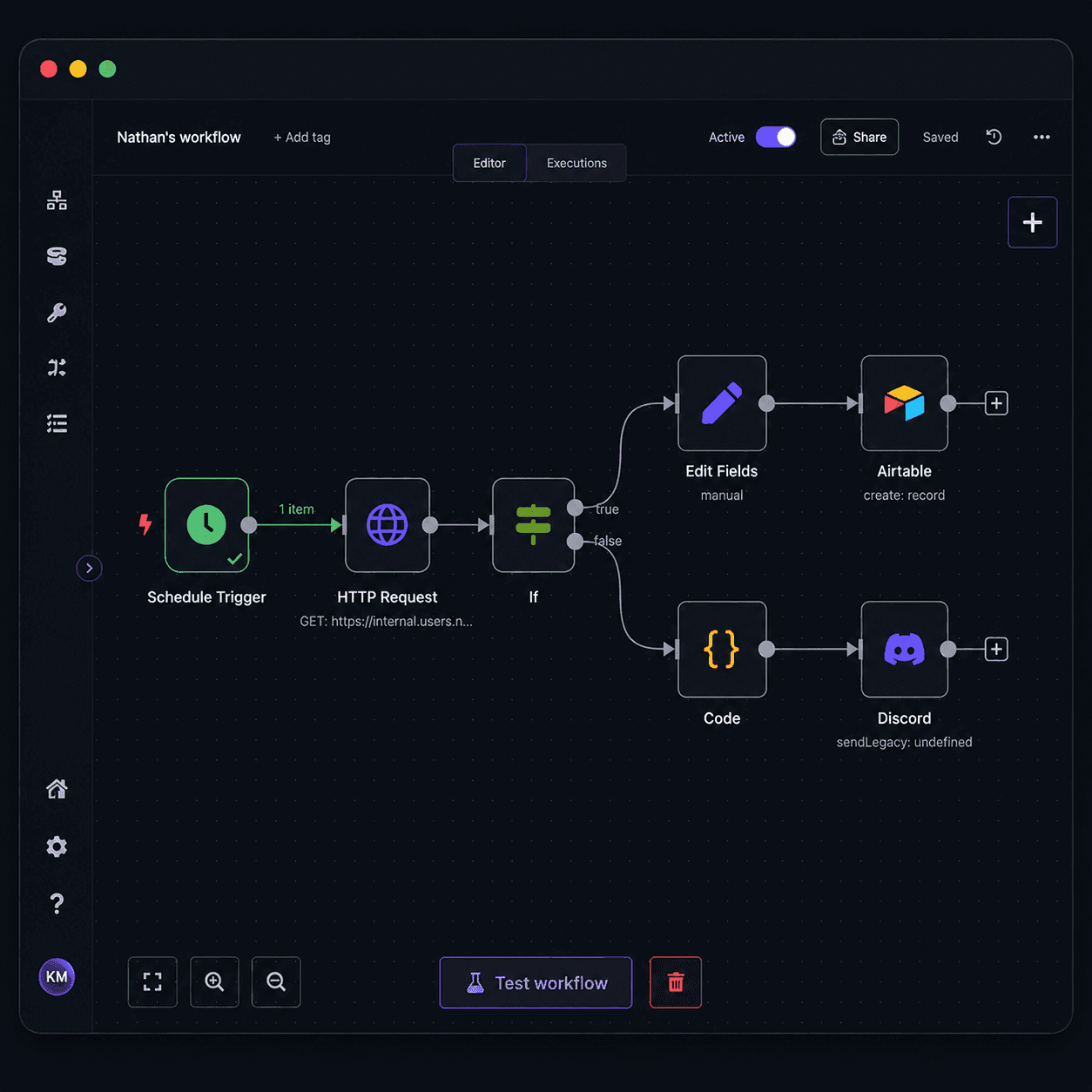
Agent adoption may begin with software teams, but the broader opportunity sits in the recurring knowledge work carried by operations, finance, legal, recruiting, and customer teams. Expanding responsibly requires more than giving every department the same assistant and hoping useful workflows appear.
Choose a workflow with visible pain and a visible finish
Look for work that is frequent, time-consuming, grounded in available systems, and owned by a team that can judge the result. Define the trigger, the steps, the approval points, and the completed state. If nobody can say what good looks like, the agent cannot be evaluated or improved.
- Pair a workflow expert with the team building the agent
- Capture baseline time, quality, backlog, and correction rates before automation
- Begin with preparation and recommendation before granting action permissions
- Train users on review, escalation, and feedback—not only prompting
- Expand to adjacent work only after the first workflow produces reliable evidence
Measure completed work, not generated output
Token volume and conversation counts do not prove value. Measure resolved cases, completed analyses, time returned to the team, correction effort, cycle time, and the percentage of work that reaches a safe outcome. Adoption becomes durable when the metric reflects the job employees and customers actually need finished.
Build a portfolio of proven workflows
Treat each deployment as a reusable operating pattern: connected systems, permissions, evaluations, human ownership, and production evidence. Over time those patterns make the next rollout faster without pretending every department works the same way.
Primary sources
First-party documentation and announcements used to ground this field note.