
Faster Agent Loops: Where WebSockets Actually Help
A latency budget for multi-step agents—and when a persistent Responses API connection improves the experience enough to matter.

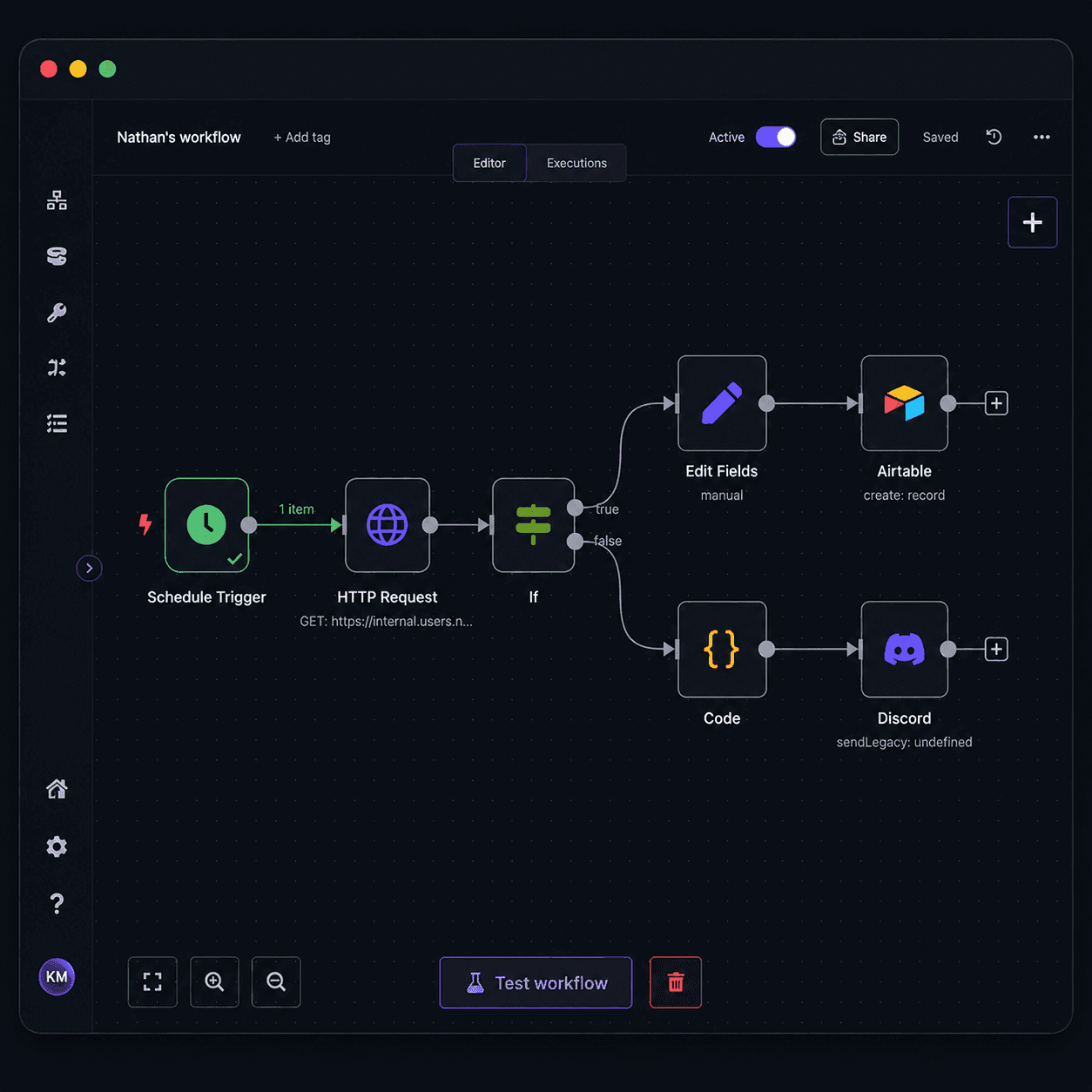
A single model response can tolerate connection setup overhead. An agent that alternates between reasoning and tools dozens of times cannot. In that loop, small network and serialization costs repeat until the user feels minutes instead of milliseconds.
Measure the entire loop
Break latency into model time, API overhead, tool execution, application processing, and user-interface delay. A persistent connection only helps the portions around repeated API turns; it will not fix a slow database query, an oversized tool response, or a model chosen far above the task.
- Instrument time to first useful event, not only time to final answer
- Return compact structured tool results instead of full logs
- Parallelize independent reads and serialize only dependent actions
- Stream progress that reflects real completed work
- Cancel abandoned tasks so latency does not become wasted spend
Use persistent transport for repeated turns
WebSockets are most valuable when the same agent session makes many sequential requests and can reuse connection state. For a one-shot summarizer, ordinary request-response plumbing may stay simpler and equally effective.
Optimize after correctness
First make the agent finish reliably and expose a trace. Then optimize the slowest measured stage. Latency work without a trace often makes architecture more complex while leaving the actual bottleneck untouched.
Primary sources
First-party documentation and announcements used to ground this field note.