
Workflow Automation with AI Agents That Don't Break
Agentic automation is powerful and fragile. The guardrails, fallbacks, and human checkpoints that keep AI workflows running when reality gets weird.

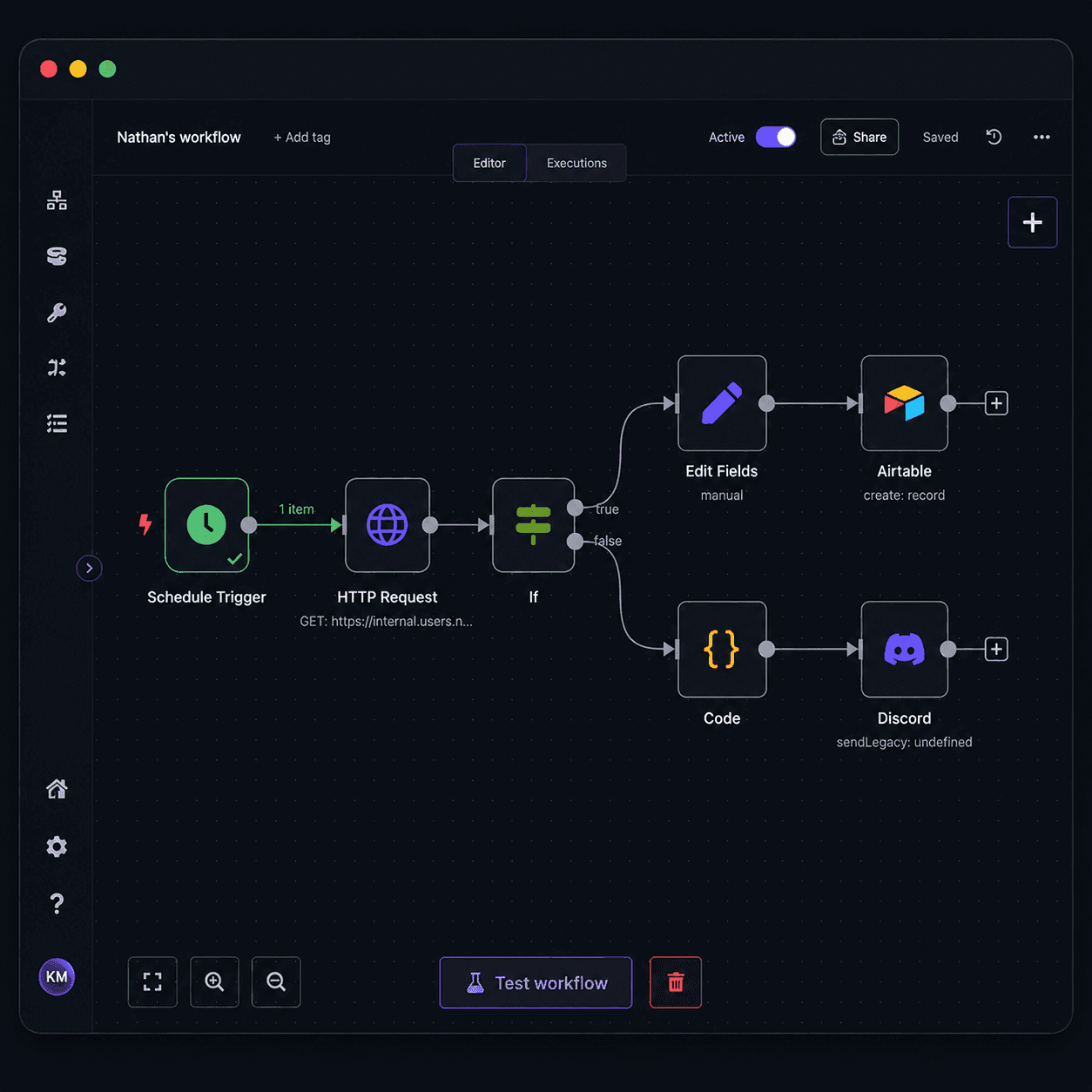
Give an AI agent a goal and a set of tools and it can chain steps together to get real work done — pull a record, draft an email, update a system, move on. It's genuinely powerful. It's also genuinely fragile, because every step is a place where the model can misjudge, and small errors compound fast. The art is building automation that stays useful when reality refuses to cooperate.
Automate the boring, supervise the risky
Not every step deserves the same trust. Reading data, drafting content, and categorizing requests are low-risk — let the agent run. Sending money, deleting records, or emailing a customer are high-risk — put a human checkpoint in front of them. The most reliable automations aren't fully autonomous; they're autonomous where it's safe and supervised where it counts.
Draw the line deliberately
Decide up front which actions an agent can take on its own and which require a person to approve. Make that boundary explicit in the system, not implicit in a prompt. A clear approval gate turns a scary autonomous agent into a fast, trustworthy assistant.
Tools need guardrails
An agent is only as safe as the tools you give it. Every tool should validate its inputs, refuse impossible requests, and fail loudly instead of silently doing the wrong thing. Scope permissions tightly — an agent that drafts replies has no business with delete access. Treat each tool like an API exposed to an unpredictable client, because that's exactly what it is.
- Validate every tool input before it executes
- Scope permissions to the minimum the task needs
- Make destructive actions require explicit confirmation
- Log every step so you can replay and debug a run
Design the unhappy path
Demos always show the happy path. Production is mostly everything else: the API that times out, the record that's missing, the input that makes no sense. A robust agent has a defined behavior for each — retry, skip, escalate, or stop — rather than improvising. When the agent doesn't know what to do, the safest move is to hand the situation to a human with full context.
“A reliable agent isn't one that never hits a wall. It's one that knows what to do when it does — and when to ask for help.”
Start small, expand on evidence
The teams that succeed with agentic automation don't flip a switch on the whole workflow. They automate one step, prove it's reliable, then extend. Each expansion is earned by data, not faith. Done this way, AI agents quietly absorb the repetitive work and leave your team for the judgment calls — which is the whole point.